Western Australia’s hot, dry summers can make gardens difficult to maintain, particularly in coastal and southern Perth areas where sandy soils drain quickly. That is why more homeowners are turning to waterwise landscaping to create outdoor spaces that suit the local climate and are easier to maintain.
A water-wise garden does not have to mean removing every lawn or limiting your plant choices. With thoughtful landscape design, climate-suitable plants, properly prepared soil, efficient reticulation and the right balance of turf and hardscaping, you can create a garden that remains attractive, practical and enjoyable throughout the year.
This guide explores smart water-wise landscaping ideas for WA homes, from plant selection and irrigation to turf installation, paving and long-term garden care.
What Is Water-Wise Landscaping?
Water-wise landscaping arranges plants, lawn, soil, irrigation and hard surfaces so each part of the garden receives the water it needs. Instead of treating the entire property the same, the design responds to differences in sunlight, drainage and how each area is used.
For homeowners, this can mean fewer dry patches, less overwatering and a garden that is easier to manage through WA’s warmer months. It also reduces avoidable water use without removing the greenery and outdoor features that make the space enjoyable.
Start With a Smart Landscape Design
A successful water-wise landscape starts with understanding the site before choosing plants or turf. Note where the garden receives full sun or shade, how quickly the soil drains, existing ground levels and how each area will be used. In Rockingham and Baldivis, improving sandy soil and planning irrigation early can help prevent dry patches and unnecessary rework.
Group plants with similar watering needs in the same zone. Lawn, higher-water planting and drought-tolerant beds can then be watered separately instead of applying one schedule across the entire garden.
Choose Drought-Tolerant Plants and Native Species
Plant selection has a major influence on how much water a garden needs. Many Western Australian native plants and other climate-suitable species are better adapted to hot, dry conditions once established, making them a practical choice for water-wise gardens.
A lower-water garden does not need to look sparse. Combining different foliage shapes, groundcovers, flowering plants and feature shrubs can provide colour and texture throughout the year.
Choose each plant for the site’s sun, soil and available growing space, then place species with similar watering needs together. This makes irrigation easier to manage and avoids giving drought-tolerant plants more water than they require.
Install an Efficient Reticulation System
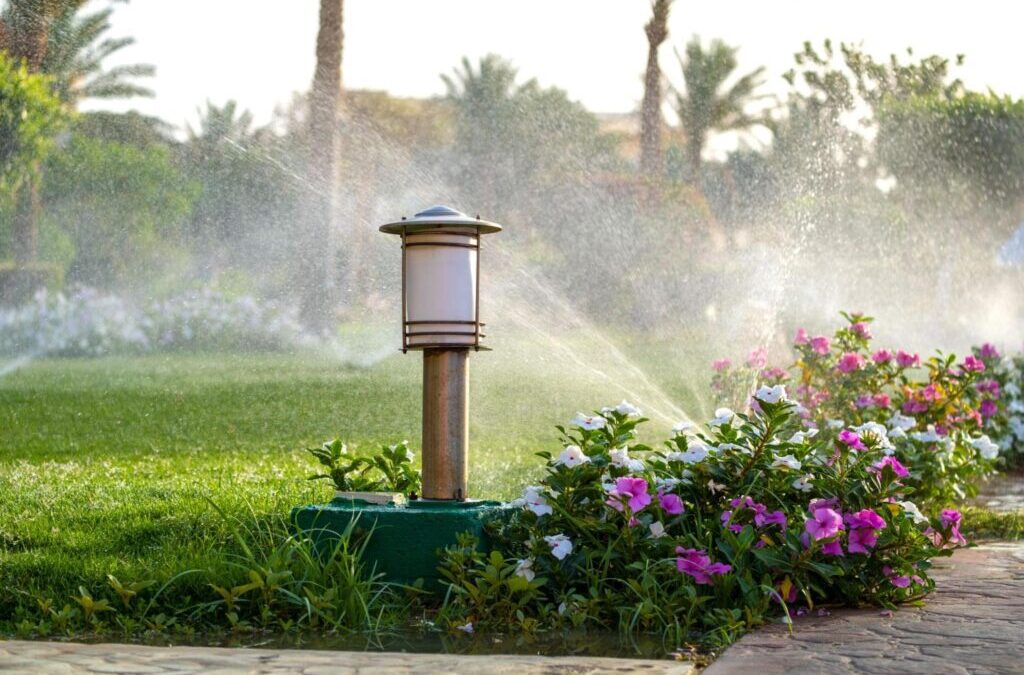
An efficient reticulation system helps deliver water where it is needed instead of treating the whole garden the same. Lawn areas, garden beds and drought-tolerant planting zones often have different requirements, so separating them into individual irrigation zones can reduce overwatering and improve plant health.
Looking Good Landscaping designs and installs automated reticulation systems using water-wise principles, including Class 9 PVC pipe and Hunter controllers and sprinklers. The system can then be programmed around the layout of the garden, local conditions and seasonal changes. Regular checks are still important, as blocked sprinklers, leaks or incorrect run times can quickly lead to wasted water.
Select the Right Turf for Water Efficiency
A water-wise garden can still include a healthy lawn, but the turf should suit the site and be limited to areas where it will be used. Sun exposure, foot traffic, soil conditions and the level of maintenance you are comfortable with will all influence the best variety for your property.
Looking Good Landscaping works with varieties including Palmetto and Sir Walter soft leaf buffalo, Village Green Premium Kikuyu Turf, Winter Green Couch Lawn and Santa Ana Couch Grass. The right option depends on sunlight, wear, appearance and the level of maintenance expected.
Turf installation also involves more than laying rolls over the existing ground. Soil improvement, correct final levels, even reticulation coverage and careful installation help the roots establish and give the lawn a stronger foundation.
Use Hardscaping to Reduce Water Demand
Hardscaping can reduce the amount of lawn and planting that needs regular watering while making the garden more practical to use. Paved entertaining areas, limestone features, concrete paths and stepper paths can create clear zones for dining, access and everyday movement without creating another area that needs regular watering.
Looking Good Landscaping installs paving, limestone, concrete and stepper paths for front and backyard projects. These surfaces should be balanced with plants, shade and lawn where they provide cooling, play space, softer views or comfortable areas for family use. The goal is to reduce unnecessary watering without turning the entire garden into a hard surface.
Improve Garden Structure With Quality Edging
Garden edging gives lawns and planting areas a cleaner, more defined finish while also making maintenance easier. By separating turf from garden beds, edging can help reduce lawn creep, keep mulch in place and make mowing around borders more straightforward.
Looking Good Landscaping offers edging options including poured concrete kerbing as well as aluminium, plastic and steel edging. Clearly defined garden beds can also support more targeted watering by keeping planting zones organised and helping mulch remain where it is needed to reduce moisture loss.
Mulching and Soil Preparation for Better Water Retention
In many coastal areas around Rockingham and Baldivis, sandy soil drains quickly and may struggle to hold enough moisture around plant roots. Improving the soil before planting or laying turf can help water stay in the root zone for longer, supporting healthier growth and reducing the need for frequent watering.
A suitable layer of mulch can further reduce moisture loss by shielding the soil from direct sun and slowing evaporation. It also helps suppress weeds that would otherwise compete with plants for water. Mulch should be kept clear of plant stems and replenished as it breaks down to maintain its benefits throughout the year.
Create Functional Front and Backyard Spaces
Water-wise design works best when each part of the property has a clear purpose. Front yard landscaping may focus on street appeal, access and lower-maintenance planting, while backyard landscaping often needs to support entertaining, children, pets and everyday family use.
A practical layout might combine a manageable lawn area with garden beds, shaded seating, paving and clear pathways. This keeps greenery where it adds the most value while reducing unnecessary watering and maintenance. For larger garden makeovers, planning all these elements together also helps the finished landscape feel balanced rather than pieced together over time.
Prepare Your Site for Long-Term Success
Even the best landscape design can struggle if the site has not been prepared correctly. Clearing unwanted vegetation, removing debris and levelling the ground creates a more reliable base for drainage, reticulation, turf and hardscaping.
Reticulation mainlines and wiring should be installed before paving, concrete or retaining features so finished surfaces do not need to be disturbed later.
For new lawns, Looking Good Landscaping generally recommends finished soil levels around 30–40mm below surrounding paving, concrete or kerbing. This allows room for the turf profile and creates a cleaner transition at hard edges.
Ongoing Maintenance for a Water-Wise Garden
A water-wise garden still needs regular care, but the goal is to keep that maintenance practical and efficient. Check reticulation for leaks, blocked sprinklers and uneven coverage, then adjust controller settings as the seasons change. This helps avoid watering areas that do not need it or running the system longer than necessary.
Routine pruning, weed control and lawn care reduce competition for water and support healthier growth. For newly laid turf, the first mow usually takes place around 10–21 days after installation, depending on the season. The lawn is generally ready when the turf has rooted firmly enough that it cannot be lifted.
Established lawns benefit from an appropriate mowing height, seasonal feeding and even sprinkler coverage. Mulch should also be replenished as it breaks down.
Why Professional Landscaping Delivers Better Long-Term Results
Water-wise landscaping works best when the design, soil preparation, reticulation, turf, planting and hardscaping are planned as one project. A professional landscape contractor can assess the site, identify drainage and irrigation requirements, and create a layout that suits the property rather than applying a one-size-fits-all solution.
Looking Good Landscaping brings more than 20 years of local experience to projects across Rockingham, Baldivis and surrounding suburbs. Planning these stages in the right order helps avoid disturbing completed surfaces or correcting levels later.
These sequencing decisions reduce avoidable rework and give the irrigation, lawn and planting areas a more reliable foundation. Looking Good Landscaping also provides a 12-month warranty on its labour, with applicable manufacturer warranties covering installed hardware.
Create a Beautiful Water-Wise Landscape With Expert Help
Ready to create an outdoor space that looks good, works for your lifestyle and uses water more efficiently?
Looking Good Landscaping provides waterwise landscaping services across Rockingham, Baldivis and surrounding southern Perth suburbs. Whether you are planning a garden makeover, new reticulation, turf installation or practical hardscaping, the team can design and install the different elements as one coordinated project.
Call (08) 9524 1999 or email landscaping@lookinggood.net.au to book your free on-site consultation. With more than 20 years of local experience and a 12-month labour warranty, Looking Good Landscaping can help create a garden that is easier to irrigate, maintain and enjoy.