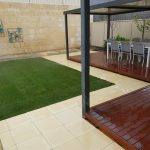

Not every tired garden needs a complete redesign. A garden renovation improves parts of an existing outdoor space, such as patchy lawn, overgrown garden beds or worn paving. A complete landscape makeover goes further, potentially changing the layout and how the whole garden is used.
For homeowners in Rockingham, Baldivis and surrounding southern Perth suburbs, the decision comes down to your garden’s condition, budget, outdoor needs, maintenance expectations and long-term plans.
Garden Renovation vs Complete Landscape Makeover: Key Differences
The biggest difference is the scale of change. If the existing layout works, replacing damaged turf or refreshing garden beds may be enough. If pathways, entertaining areas and lawn placement no longer suit your household, a wider redesign may make more sense.
| Factor | Garden Renovation | Complete Landscape Makeover |
|---|---|---|
| Project scope | Selected areas or features | Most or all of the outdoor space |
| Design changes | Keeps the general layout | May create new outdoor zones |
| Turf and planting | Replaces worn lawn and plants | Replans lawns and garden beds |
| Paving | Repairs or replaces selected areas | New paths, patios or hardscaping |
| Irrigation | Adjusts or extends reticulation | May need a redesigned system |
| Cost factors | Targeted materials and labour | Broader site works and coordination |
| Timelines | Often shorter | Often more installation stages |
| Complexity | Fewer tasks to coordinate | Multiple interconnected elements |
Neither option has a fixed scope. The right approach depends on your property, existing landscaping, material choices and what you want the finished garden to do.
Cost Comparison: Which Landscaping Option Offers Better Value?
A smaller garden renovation will often cost less upfront because fewer areas need rebuilding. However, if several parts of a garden are failing, planning them together may prevent repeated excavation, site preparation or removal of newly installed features.
Costs can include clearing and excavation, soil preparation, plants, turf, reticulation, drainage, paving, materials, labour and waste removal. Site access and the amount of existing landscaping to remove also matter.
| Cost Area | Garden Refresh | Partial Renovation | Complete Makeover |
|---|---|---|---|
| Site preparation | Minor clearing | Localised levelling or excavation | Potentially extensive earthworks |
| Plants and turf | Selected replacements | New beds or lawn sections | New planting and lawn layouts |
| Reticulation and drainage | Minor adjustments | Repairs or extensions | New systems where required |
| Paving and hardscaping | Small repairs | Selected replacements | New paths, patios or borders |
| Labour and waste removal | Limited scope | Depends on removal and installation | More stages and material handling |
A garden refresh generally involves cosmetic improvements, while a partial renovation replaces selected features. A complete makeover may involve redesigning and rebuilding several areas. These categories are a guide rather than fixed packages, and actual quotes depend on site conditions and the agreed scope.
When Is a Garden Renovation Enough?
A targeted garden renovation makes sense when the layout is practical but the finishes are tired. Common examples include patchy lawn, crowded or overgrown planting, worn paths, outdated garden edging and beds where the soil needs improving.
Removing unsuitable plants, refreshing the soil, laying new turf or replacing damaged pavers can make these areas easier to use and maintain. Before replacing a struggling lawn, check whether poor watering coverage or soil conditions caused the problem.
Looking Good Landscaping’s garden makeover services cover improvements such as lawns, planting and hardscaping. For inspiration, explore Looking Good Landscaping’s completed garden makeover projects to see examples of finished outdoor spaces.
When Should You Consider a Complete Landscape Makeover?
Consider a complete landscape makeover when the problems are connected. An awkward layout, recurring drainage issues, deteriorating hard surfaces or a lack of usable space may be difficult to solve with isolated upgrades.
A garden redesign can make room for entertaining, children’s play or easier movement between the house and backyard. A landscape design plans how lawns, garden beds, pathways, paving and outdoor living areas will work together. It also considers drainage, ground levels and how water will move through the property.
Coordinating several landscaping services from the beginning helps avoid conflicting decisions. For example, changing the position of a patio after new irrigation or lawn has been installed could mean paying to undo finished work.
Looking Good Landscaping’s landscape design process includes an onsite consultation to discuss your ideas, design preferences, budget, timeline and how you want to use the space.
How Turf, Reticulation and Hardscaping Affect Your Project
Turf installation might involve replacing one patch of worn lawn or establishing a completely new green area. Both require suitable soil preparation, levelling and turf selection, followed by regular watering while the new lawn takes root. Looking Good Landscaping advises that the first mow usually takes place 10–21 days after laying, depending on the season. Before mowing, check that the turf has taken root and can no longer be lifted easily.
Looking Good Landscaping’s turf installation process includes preparing final levels and improving the soil before laying turf. Available varieties include Sir Walter Buffalo and Village Green Kikuyu. Its turf installation service covers both residential and commercial spaces.
Reticulation should match the areas being watered, rather than treating lawns and garden beds as if they have identical needs. A renovation may need adjustments to sprinkler coverage, while a new layout may need different zones and pipework.
Looking Good uses Class 9 PVC pipe and Hunter controllers and sprinklers for its reticulation installations, with systems designed around the property’s watering requirements.
Paving, pathways and other hardscaping affect access, drainage and how comfortably people can use the garden. Worn pavers may be replaced in a renovation, while a makeover might call for new paths or an alfresco area.
Importantly, reticulation mainlines and wiring should be pre-laid before permanent paving or concrete goes in. Looking Good also provides paving and hardscaping services for these features.
How to Choose the Right Approach for Your Property
Walk through your garden and separate what still works from what needs changing. Check lawn health, planting, paving, access and drainage. Then decide which improvements are essential, which can wait and what budget you can realistically set aside.
| Consideration | Garden Renovation | Complete Landscape Makeover |
|---|---|---|
| Project scope | Fixes particular areas | Reworks connected areas |
| Disruption | Usually more contained | Often affects more of the property |
| Design flexibility | Works with the current layout | Allows major layout changes |
| Best suited for | Sound gardens needing updates | Ageing or impractical layouts |
Neither cost nor timeframe can be judged reliably from the project type alone. A detailed quote should identify materials, inclusions, site preparation, drainage, project stages, waste removal and any potential additional costs.
If the full project doesn’t fit your budget, ask whether it can be staged. Looking Good Landscaping notes that some homeowners complete their front yard first and return for the backyard later.
Plan the Right Garden Transformation
A garden renovation can give a well-laid-out space a fresh start. A complete landscape makeover is worth considering when the layout, functionality and several outdoor features need substantial changes.
With more than 20 years of local residential landscaping experience, Looking Good Landscaping works with homeowners across Rockingham, Baldivis and nearby suburbs.
Contact Looking Good Landscaping to discuss your garden, your priorities and the best approach for your project.