If you live in Rockingham or the surrounding suburbs, you know how quickly the harsh sun can drain the life out of a garden. However, with water-efficient landscaping, you can have a green, healthy garden space that thrives through the dry months, whether that’s in Baldivis or Secret Harbour.
In this guide, we’ll share some expert landscape design tips to help you create a beautiful, drought-resistant outdoor space.
Understanding Water-efficient Landscaping
What It Means for Your Garden
At its core, water-efficient landscaping focuses on conserving water while maintaining the natural beauty of your garden. It uses drought-resistant plants, smart irrigation systems and strategic landscape design to make the most out of every drop. When done well, it gives you a garden that looks vibrant and inviting, even during the driest months.
Why It Matters
Our long, hot summers make water conservation essential. A garden built with water-efficient landscaping in mind can stay healthy with far less effort and upkeep. It also supports sustainable living, helping you save on costs while caring for the environment.
Choosing Plants For Drought Resistance
Native and Adapted Species
When it comes to landscaping in WA, native plants are always a smart place to start. Species like kangaroo paw, bottlebrush and grevillea are built for the local climate and soil. They need minimal watering once established and attract birds, bees and pollinators that keep your garden ecosystem healthy and balanced.
Low-water Alternatives for Traditional Plants
If you love the look of certain high-water plants, there are plenty of lower-maintenance alternatives. Swap out thirsty lawn species for a buffalo or couch variety, and replace delicate blooms with hardier choices like lavender or rosemary. These plants deliver the same colour and texture without high irrigation demands.
Grouping Plants by Water Needs
Professional landscapers often design gardens in zones where they group plants with similar water requirements together. This approach keeps watering efficient and prevents overwatering delicate species. For example, position succulents, grevilleas and native grasses in one area, while reserving a separate spot for slightly more water-dependent plants near shaded or sheltered zones.
Water-saving Techniques For Your Garden
Smart Irrigation Solutions
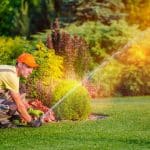
One of the best ways to save water is by upgrading your irrigation system. Drip irrigation, timers and water sensors ensure plants get the moisture they need without waste. These systems deliver water directly to the roots, where it’s most effective and avoid the evaporation that comes with traditional sprinklers. Looking Good Landscaping can offer custom reticulation solutions designed specifically for your southern suburbs garden so you can water smarter, not harder.
Mulching for Moisture Retention
Mulch keeps your garden looking neat while helping it hold onto moisture. A 5-7cm layer of organic mulch such as bark, straw or wood chips keeps the soil cool, reduces evaporation and suppresses weeds. Refresh it at the start of spring and summer to protect your plants through the hottest months.
Rainwater Collection and Storage
Installing rainwater tanks or using rain barrels helps you make the most of natural rainfall. Collected water can be used to top up your irrigation system or hand-water plants during dry spells. It’s an easy way to support waterwise gardening while reducing reliance on mains water.
Designing Efficient Outdoor Spaces
Hardscaping for Low-maintenance Living
Reducing lawn size and adding hardscaping features are among the easiest ways to create a low-water garden. Paved pathways, gravel areas and patios limit planting zones while still providing structure and beauty. They also cut down on maintenance, giving you more time to enjoy your outdoor space instead of maintaining it.
Shade and Microclimate Design
The right mix of trees, pergolas and shade sails can have a big impact on how your garden uses water. Shaded areas hold moisture for longer and protect sensitive plants from harsh sunlight. Planning your garden around these microclimates helps manage temperature, reduce evaporation and create a more comfortable outdoor space.
Garden Layout for Optimal Water Distribution
Good garden design balances beauty with practicality. Place water-loving plants in shaded or lower areas where moisture collects naturally, and grow hardy natives in sunnier spots. This layout ensures every plant gets what it needs without wasting water.
Professional Support For Water-efficient Landscaping
Expert Design Tailored to Local Conditions
Every area, indeed every property, has its own microclimate and that’s where professional landscape design services really shine. Based in Baldivis and servicing a wide area from Rockingham, south to Secret Harbour and beyond, our experienced team assesses soil type, sun exposure and water availability to develop a plan that’s efficient, sustainable and perfectly suited to the area’s weather patterns and your gardens.
Plant Selection and Installation
Choosing and installing drought-resistant plants correctly makes a huge difference. We help select species that match your style and conditions, ensuring each plant is placed where it can thrive with minimal care. This reduces replacement costs and keeps your garden looking established sooner.
Long-term Maintenance Advice
Once your garden is complete, maintenance plays an essential role in keeping it healthy. We offer guidance on pruning, fertilising and watering schedules, helping you maintain balance through changing seasons. With the right care, your garden will continue to look great with less water and effort.
Seasonal Care Tips For Drought-resistant Gardens
Water Smartly Throughout the Year
Adjust your watering based on rainfall and seasonal changes. Early mornings and dusk are the best times to water because the cooler temperatures at those times reduce evaporation. During winter, most established drought-resistant plants will need little or no watering at all. Also, stick to your watering days – it reduces water consumption and benefits all consumers.
Maintaining Soil Health Naturally
Healthy soil holds moisture better and supports stronger plant growth. Add compost or organic fertiliser each season to improve texture and water retention. However, be careful to avoid over-fertilising, since this can stress drought-tolerant species and increase water needs.
Preparing Plants for Seasonal Stress
Before summer arrives, refresh mulch, prune lightly and add shade cloth to protect tender plants from heat. These simple steps make a big difference to how well your garden holds up through the hottest and driest months.
Create Your Water-efficient Garden With Looking Good Landscaping
Expert Advice and Tailored Solutions
At Looking Good Landscaping, we design, build and service gardens from Rockingham, to Baldivis and south to Secret Harbour, so we know what works in our neck of the woods. From native planting plans, to smart irrigation and efficient landscape design, we help homeowners achieve beautiful outdoor spaces that use less water and require minimal upkeep.
Get Started Today
Ready to enjoy a beautiful, waterwise garden without the hassle? Contact Looking Good Landscaping today and let our experts design your perfect water-efficient landscaping project, tailored to our climate and your lifestyle.